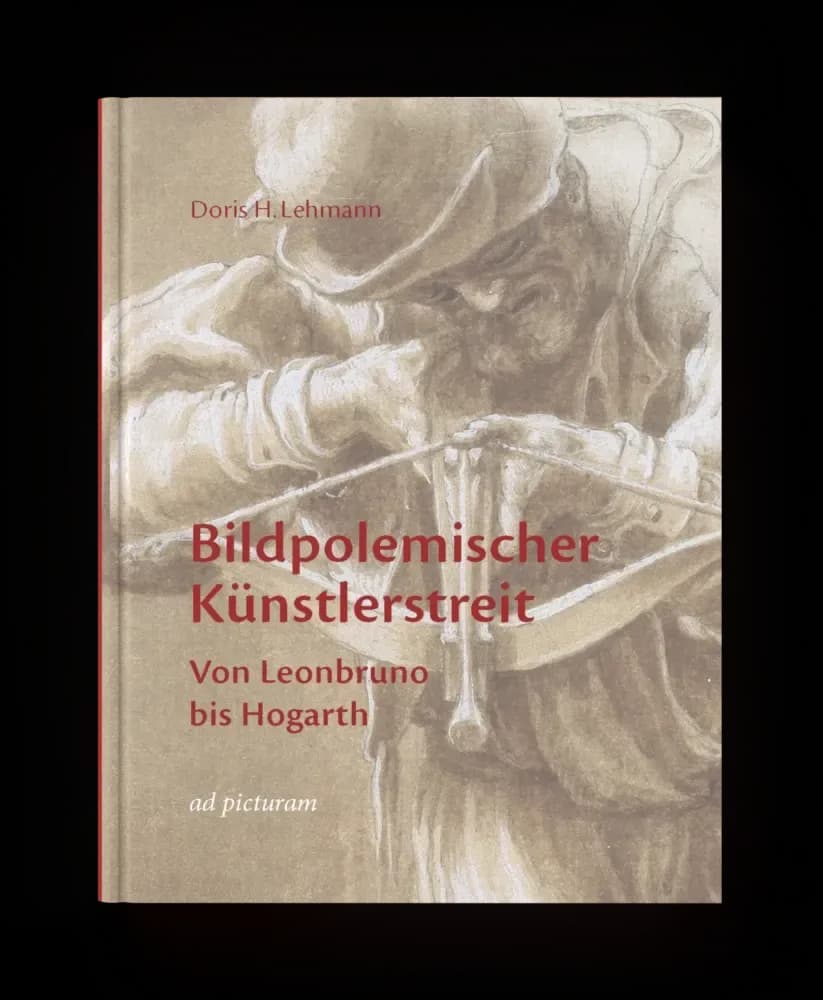
In modern times, images were independently controversial. This evidence is provided by the first overview study on the question of how visual artists from the Renaissance to the 18th century negotiated their personal differences with and in the work of art. The new perspective on the research gap between the diverse debates about art (Paragone, Agon, Aemulatio, Subversion) uses proven case studies to systematically and cross-genre show the spectrum and peculiarities of specifically visual artistic debate strategies. In addition to its own iconography, the locations, media, addressees and publics of artist disputes are explored.
In addition to new readings that open up previously overlooked image polemics in their respective contexts, sources and research statuses are subject to revision and traditional but modern viewing habits are deconstructed. Fundamentally, terms such as artist dispute and image pasquinade are defined, constants and variants within the developments in visual language are illustrated and categories of dispute strategies are formed. In comparison with the popular image of the arguing artist formed in art literature, the interactions between fictional and real actions are comprehensibly shown for the first time. The study thus offers surprising insights into the value of images as representative contributions to the social history of artists.
The focus of the study is on Italian case studies; aspects of cultural transfer as well as artists' reflections on the meta level are also included. The creative potential of such prominent champions as Federico Zuccari and Giambattista Piranesi is illustrated with a fresh look at image details, as are the innovations of lesser-known artists and the significance of lost works from Daniele da Volterra to Lelio Orsi.
This volume presents the results of the DFG project Controversial Strategies of Visual Artists in Modern Times.